The International Rafting Federation (IRF) has a long and respected history from early international rafting events in the late 1980s through to the global organisation it is today.
Recommended reading on the history of rafting itself is the Complete White Water Rafter by Jeff Bennett.
Early inceptions
1989 – 1997
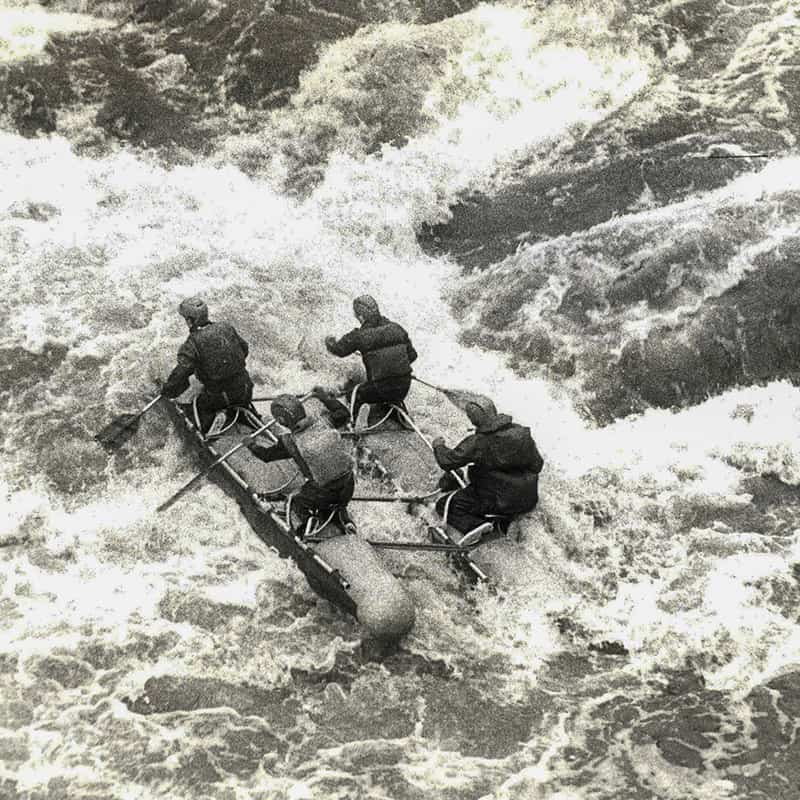
The first large scale international gathering of rafters was Project RAFT (Russians and Americans for Teamwork) in which up to 50 teams competed in Siberia (1989), USA (1990), Costa Rica (1991) and Turkey (1993).
From 1990 to 1994 the J&B R4 European Rafting Champs were televised on Eurosport. The first was held in Italy and the last three held in Austria.
In 1994 a World Champs was held in Italy and it was there that many key participants, such as Rafael Gallo and Peter Micheler, saw the need to form an international body to represent all racers, rafters, guides and all aspects of rafting.
A growing need and demand for an official body that could represent and unite the rafting communities of the world stimulated a group of people, led by Lee Porter, to form the IRF in 1997.
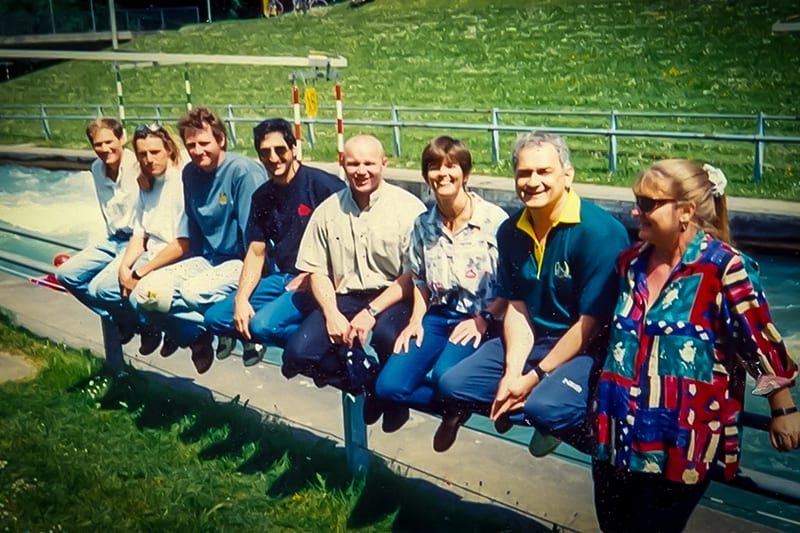
The founding group who met in Augsburg, Germany were: Lee Porter, Peter Micheler, Rafael Gallo, Tony Hansen, Sue Liell-Cock, Neil Baxter, Glenn Lewman, Zeljko Kelemen and Thomas Karas.
The initial key areas for this representation were Guide Training & Education and Sport & Competitions.
Inaugural Congress
08 September 1997
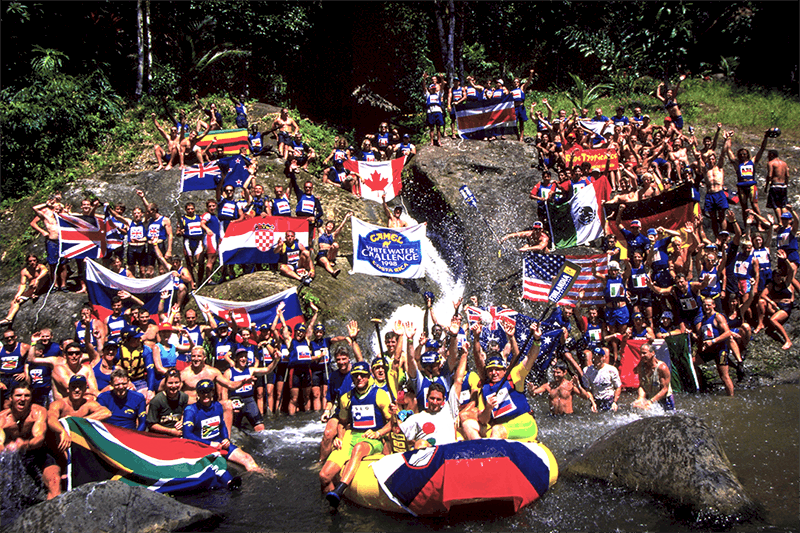
The first Congress was held at the 1997 Camel White Water Challenge (CWWC), also the first unofficial IRF World Champs.
Developed prior to and then approved at the 1998 Congress, the Guide Training & Education (GTE) System is continually improving and expanding reach as demand grows for the formal and recognised competence of raft guides across the globe from individual guides, rafting operators, insurance companies and governing bodies.
The IRF GTE system is the only globally recognised raft guide certification scheme.
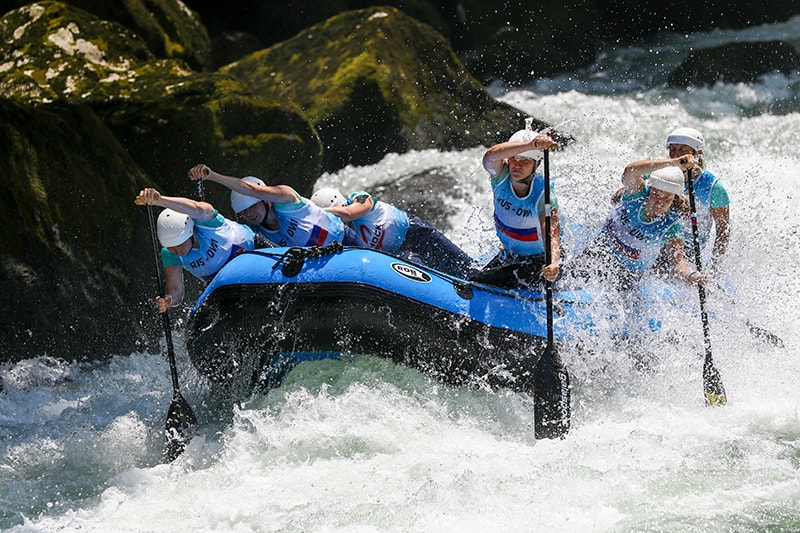
The first IRF European Rafting Championships (ERC) were held in Italy in 2000. Subsequent ERCs have been held in 2002, 2005, 2006, 2008, 2010, 2012, and then annually since 2014.
First stand alone IRF World Rafting Championship
September 2001
The first IRF World Rafting Championships completely separate to the CWWC were held on the Gauley River, West Virginia, USA .
The history of the World Rafting Championships (WRC) is strongly linked to the formation of the IRF. Read more history of the WRC here.
IRF Euro Cups
2004
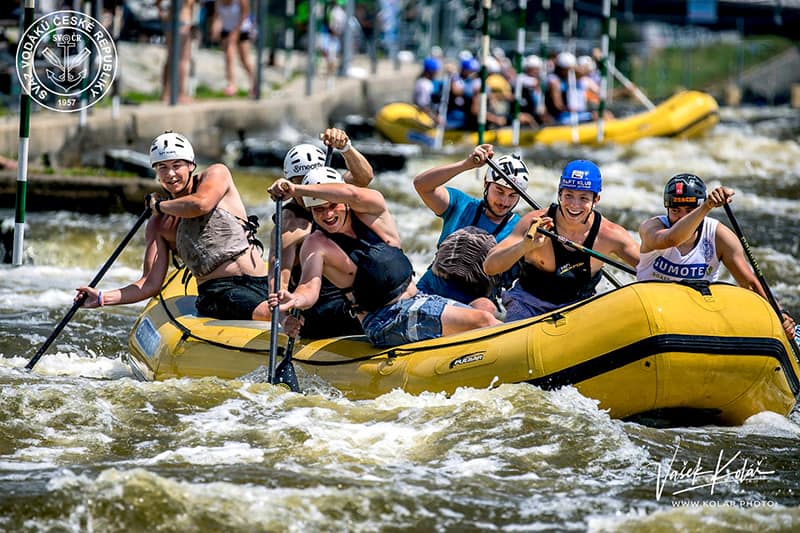
The Euro Cup Series is an ever popular series and sees 10-15 events per year with an overall winner being chosen from the highest points scoring team that attended at least two events.
The Whitewater Rescue Race is the pioneering idea of a competition that utilises whitewater rescue techniques.
The race is a pioneering one of its kind in standing for its mission to spread and emphasize the need for trained Swiftwater Professionals and Safe Whitewater Adventure services across the European whitewater landscape.
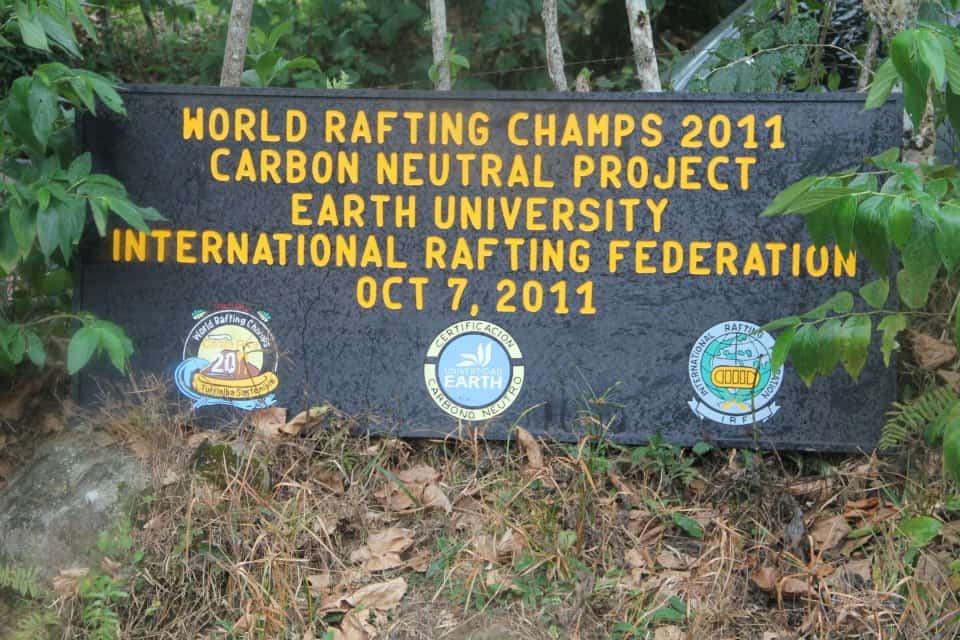
The IRF WRC held October 2011 in Costa Rica is the first ever Certified Carbon Neutral world championship sporting event. EARTH University certified Costa Rica’s WRC as Carbon Neutral.
The International Rafting Federation (IRF) joined the United Nations Framework Convention on Climate Change’s (UNFCCC) Sports for Climate Action initiative as a signatory to the Sports for Climate Action Framework.
The first ever world white water rafting safety summit took place in Costa Rica where the IRF’s Recreational Operator Accreditation (ROA) scheme was launched along with the resounding backing of three key messages of reducing risk, improving safety, empowering rivers.
The International Rafting Federation (IRF) was officially granted Observer Status by the Global Association of International Sports Federations (GAISF) Council when it convened 27 October 2019.
The International Rafting Federation continues to grow today. As the sole legitimate world governing body for rafting, we are recognised in recreational, tour, sporting and grass-roots rafting the world over.
Our Guide Training & Education (GTE) system is the only globally recognised and respected raft guide certification scheme. The number of certified raft guides continues to grow year on year with an increasing proportion of female raft guides.











Comments are closed.